
The Ultimate Guide to the Best Steering Wheel Covers for Unmatched Comfort
—
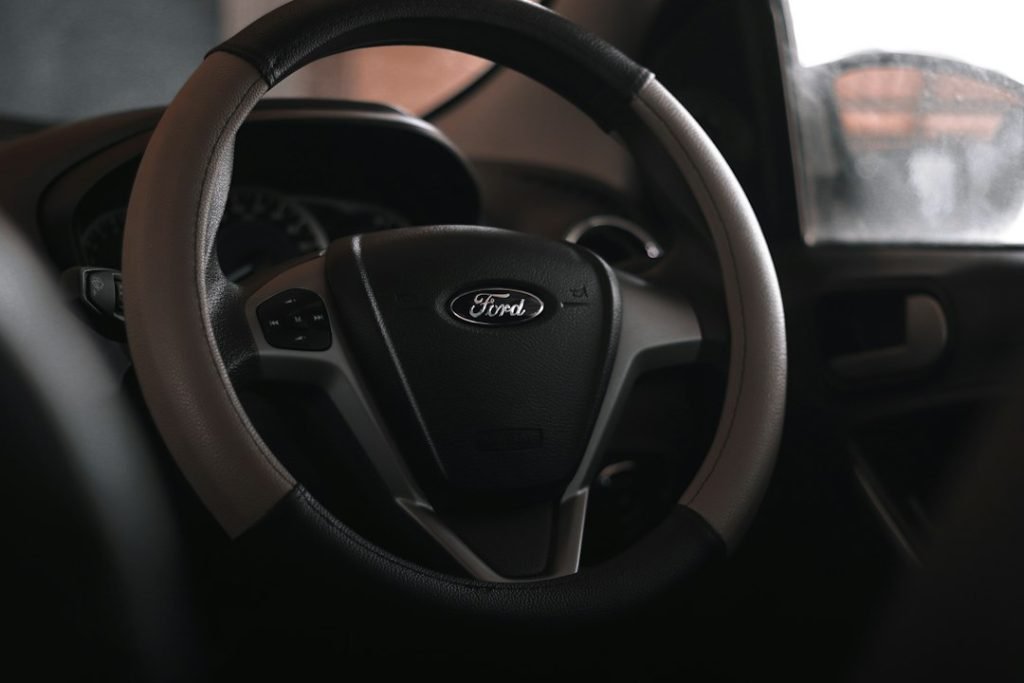
Driving can be a blissful escape—or a grueling grind—depending on how comfortable you feel behind the wheel. While most of us focus on seat cushions, climate control, or even the perfect playlist, we often overlook a tiny but mighty accessory: the steering wheel cover. A high‑quality cover can transform a stiff, sweaty grip into a plush, ergonomic experience, reduce fatigue on long trips, and even protect your wheel from wear and tear.
In this 1,000‑word deep dive, we’ll explore the best steering wheel covers for comfort, break down the key features you should look for, and give you actionable tips to pick the perfect match for your driving style. Whether you’re a daily commuter, a weekend road‑trip enthusiast, or a rideshare driver, this guide will help you upgrade your grip and enjoy a smoother ride.
—
1. Why Comfort Matters: The Hidden Benefits of a Good Steering Wheel Cover
Reduce Hand Fatigue
Long hours behind the wheel can cause hand and wrist strain, especially if your steering wheel is thin, cold, or textured. A cushioned cover distributes pressure more evenly across your palm, lessening the strain on your muscles and tendons. Studies show that ergonomic grips can reduce fatigue by up to 30% on drives longer than two hours.
Enhance Grip in All Weather
Rain, snow, or a sweltering summer day can make a steering wheel slippery or overly hot. Materials like silicone, leather‑grain, and memory foam provide a consistent, non‑slip surface that adapts to temperature changes, ensuring you maintain control without constantly readjusting your hands.
Protect Your Wheel’s Finish
Sun‑exposed dashboards and steering wheels can crack or fade over time. A cover acts as a barrier against UV rays, sweat, and daily wear, extending the lifespan of your original wheel and preserving resale value.
Add a Personal Touch
From sleek black leather to vibrant patterns, steering wheel covers let you express personality without a major interior overhaul. This aesthetic boost can even increase your vehicle’s perceived comfort—an important factor for rideshare drivers looking to impress passengers.
—
2. Top Materials for Maximum Comfort
| Material | Comfort Rating | Grip | Durability | Best For |
|———-|—————-|——|————|———-|
| Memory Foam + Leatherette | ★★★★★ | ★★★★ | ★★★ | Daily commuters seeking plush feel |
| Pure Silicone | ★★★★ | ★★★★★ | ★★★★ | All‑weather grip, hot/cold resistance |
| Sheepskin (Shearling) | ★★★★★ | ★★★ | ★★ | Luxury feel, winter warmth |
| Neoprene (Wetsuit‑style) | ★★★★ | ★★★★ | ★★★★ | Sports cars, performance driving |
| Hybrid (Gel + Fabric) | ★★★★★ | ★★★★ | ★★★ | Long‑haul drivers needing shock absorption |
Memory Foam + Leatherette
The champion of comfort, memory foam conforms to the shape of your hands, providing a custom fit that reduces pressure points. The leatherette overlay adds a premium look and a smooth surface that isn’t too slick. Brands like Covercraft and Sparco offer this combo in various colors.
Pure Silicone
Silicone’s natural tackiness gives an instant non‑slip feel, even when sweaty. It stays cool in summer and retains flexibility in freezing temperatures—ideal for drivers who battle extreme climates.
Sheepskin (Shearling)
If you live in a cold region, a sheepskin cover offers natural insulation, keeping the wheel warm without overheating. It also adds a plush, luxurious vibe, though it requires occasional cleaning to avoid odor buildup.
Neoprene
Borrowed from scuba gear, neoprene is water‑resistant and cushions vibrations. It’s perfect for performance enthusiasts who want a snug, sporty feel without sacrificing grip.
Hybrid Gel + Fabric
These covers embed a thin gel layer between fabric layers, absorbing shock and minimizing hand fatigue on bumpy roads. They’re a great compromise for long‑distance drivers.
—
3. How to Choose the Right Cover for Your Vehicle
1. Measure Your Steering Wheel Diameter
Most passenger cars feature a 14‑inch (35 cm) wheel, while trucks and SUVs may have a 15‑inch (38 cm) or larger. Use a flexible measuring tape to capture the circumference, then divide by π (3.14) to get the diameter. Most reputable brands list compatible sizes—always double‑check before purchasing.
2. Consider Your Climate
- Hot climates: Look for breathable fabrics or silicone that won’t trap heat.
- Cold climates: Sheepskin or insulated neoprene provides warmth.
- Rainy/snowy regions: Silicone or neoprene offers superior water resistance.
- Features: 5 mm memory foam core, premium leatherette finish, anti‑slip silicone backing.
- Why it shines: Conforms to hand shape, temperature‑neutral, easy to install with a stretch‑fit design.
- Ideal for: Daily commuters, rideshare drivers, anyone craving a luxurious feel.
- Features: 100% pure silicone, UV‑resistant, reinforced stitching.
- Why it shines: Maintains tackiness in rain or sweat, stays cool under hot sun.
- Ideal for: Drivers in variable climates, performance enthusiasts.
- Features: 100% natural shearling, anti‑slip inner lining, machine‑washable.
- Why it shines: Provides natural insulation, soft texture, and a premium look.
- Ideal for: Cold‑weather regions, luxury car owners.
- Features: Double‑layer neoprene, reinforced Velcro straps, textured surface.
- Why it shines: Dampens vibrations, offers a snug, race‑car‑style grip.
- Ideal for: Sports car drivers, track day enthusiasts.
- Features: Gel core, breathable polyester weave, machine‑washable.
- Why it shines: Absorbs road shock, reduces hand fatigue on marathon drives.
- Ideal for: Truckers, delivery drivers, anyone covering >500 miles per week.
- Prioritize material: Memory foam + leatherette offers plush comfort, silicone excels in grip, sheepskin provides warmth, neoprene balances sportiness and durability, while gel‑infused fabrics absorb shock.
- Match the cover to your climate and driving habits: Hot vs. cold, short commutes vs. long hauls, performance driving vs. everyday comfort.
- Measure accurately and verify size compatibility to avoid a frustrating fit.
- Consider ease of maintenance—especially for rideshare or commercial drivers who need quick clean‑ups.
- Invest in a reputable brand with safety certifications to ensure the cover won’t compromise steering control.
3. Evaluate Installation Ease
Covers come in two main styles: stretch‑fit (pull over the wheel) and wrap‑around (secured with Velcro or straps). Stretch‑fit is quick but may slip on very large wheels; wrap‑around provides a tighter fit but requires more effort.
4. Check Maintenance Requirements
If you’re a rideshare driver, you’ll need a cover that’s easy to clean. Silicone and neoprene can be wiped with a damp cloth, while leatherette may need occasional conditioning. Sheepskin often requires gentle hand‑washing and air‑drying.
5. Prioritize Safety Certifications
Some manufacturers test their covers for impact resistance and slip‑test compliance (e.g., SAE J2245). While most consumer covers meet basic standards, opting for a certified product adds an extra layer of confidence.
—
4. Our Top Picks for Comfort (2024 Edition)
1. Covercraft Memory Foam Leatherette – Best All‑Round Comfort
2. Sparco Silicone Grip – Best for All‑Weather Grip
3. FH Group Sheepskin Steering Wheel Cover – Best for Winter Warmth
4. Neoprene Racing Grip Wrap – Best for Sporty Feel
5. G-Force Gel‑Infused Fabric – Best for Long‑Haul Drivers
—
5. Installation Tips & Maintenance Hacks
1. Clean the Wheel First – Wipe the steering wheel with a mild soap solution and let it dry completely. Dust or oil can cause the cover to slip.
2. Use a Stretch‑Fit Helper – For tight covers, place a thin towel around the wheel, then slide the cover over the towel. Pull the towel out gradually to stretch the cover evenly.
3. Secure with Velcro or Elastic Bands – If your cover includes straps, tighten them just enough to avoid wrinkles, which can cause uneven wear.
4. Regular Cleaning – Silicone and neoprene can be sprayed with a quick‑wipe cleaner. Leatherette benefits from a leather conditioner every 2–3 months.
5. Inspect for Wear – Check the edges monthly for fraying or peeling, especially if you frequently switch between hot and cold temperatures. Replace before the cover starts to affect grip.
—
Conclusion: Key Takeaways for Choosing Comfort‑Driven Steering Wheel Covers
Upgrading your steering wheel cover is a small investment that pays big dividends in comfort, safety, and vehicle longevity. By selecting the right material, fit, and style, you’ll transform every drive into a more enjoyable, fatigue‑free experience. So go ahead—pick your perfect cover, install it with confidence, and feel the difference the next time you hit the road. Safe travels!
