
Rev Up Your Vehicle’s Performance: Expert Car Maintenance Tips to Save You Money and Stress
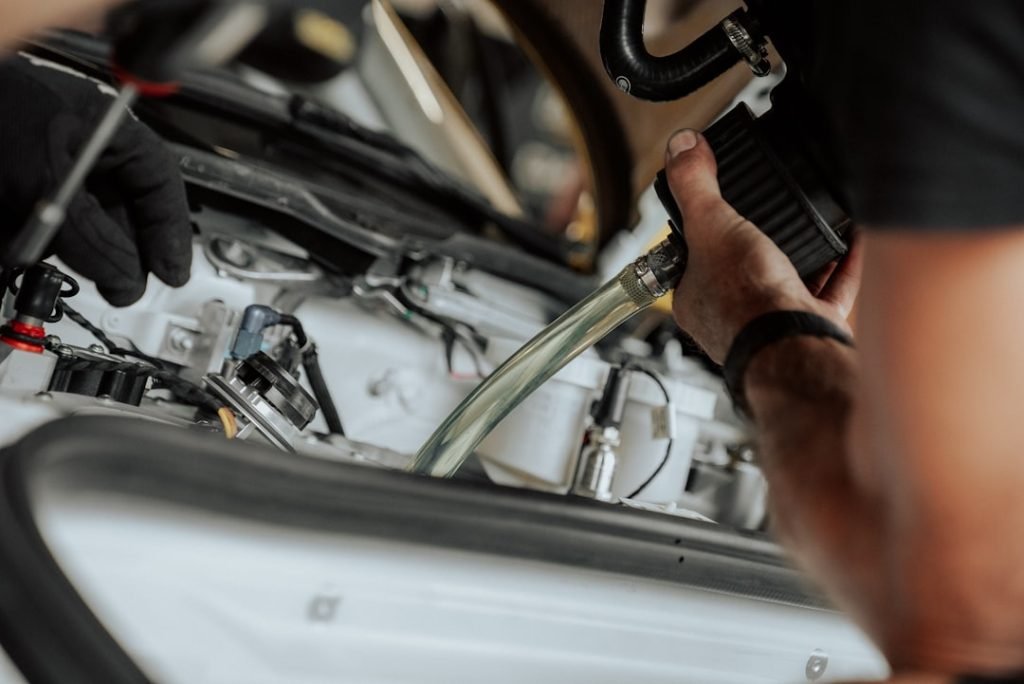
As a car owner, you know that regular maintenance is crucial to extend the life of your vehicle, improve its performance, and prevent costly repairs. But with so many tasks to keep track of, it’s easy to get overwhelmed and neglect some essential checks. According to the American Automobile Association (AAA), regular car maintenance can help you save up to $1,200 per year on repair costs. That’s a significant amount of money that can be better spent on a road trip or a new set of wheels. In this comprehensive guide, we’ll break down the most important car maintenance tips to help you keep your vehicle in top condition, reduce the risk of breakdowns, and ensure your safety on the road.
Understanding Your Vehicle’s Needs
Before we dive into the nitty-gritty of car maintenance, it’s essential to understand your vehicle’s specific needs. Every car is different, and what works for your friend’s sedan might not work for your truck. Start by familiarizing yourself with your owner’s manual, which should provide you with a schedule for routine maintenance tasks such as oil changes, tire rotations, and brake pad replacements. You should also keep track of your vehicle’s mileage, as this will help you stay on top of scheduled maintenance. For example, most cars require an oil change every 5,000 to 7,500 miles, while tire rotations are typically needed every 6,000 to 8,000 miles. By following the recommended maintenance schedule, you can help prevent premature wear and tear on your vehicle’s engine, transmission, and other critical components.
Essential Car Maintenance Tasks
When it comes to car maintenance, some tasks are more critical than others. Here are some essential checks to add to your routine:
- Oil Changes: Regular oil changes are vital to the health of your engine. Fresh oil helps to lubricate moving parts, prevent corrosion, and keep your engine running smoothly. Use a high-quality oil filter and the correct type of oil for your vehicle, as specified in your owner’s manual.
- Tire Pressure and Tread: Proper tire pressure can improve your vehicle’s fuel efficiency, handling, and safety. Check your tire pressure at least once a month, and before long trips. You should also inspect your tire tread depth regularly, as worn-out tires can increase your risk of a blowout or accident.
- Brake Pads and Rotors: Worn-out brake pads and rotors can compromise your safety on the road. Have your brakes inspected every 10,000 to 15,000 miles, and replace them as needed. You should also check your brake fluid level regularly, as low levels can cause your brakes to fail.
- Battery Maintenance: A dead battery can leave you stranded, but regular maintenance can help prevent this. Check your battery terminals for corrosion, and clean them as needed. You should also have your battery tested every 3 to 5 years, or as recommended by your manufacturer.
- Spark Plug Replacement: Spark plugs play a critical role in your engine’s performance, and worn-out plugs can decrease your fuel efficiency and power. Replace your spark plugs every 30,000 to 100,000 miles, as recommended by your manufacturer.
- Air Filter Replacement: A dirty air filter can decrease your engine’s performance and fuel efficiency. Replace your air filter every 15,000 to 30,000 miles, or as needed.
- Fluid Checks: In addition to oil and brake fluid, you should also check your coolant, transmission fluid, and power steering fluid levels regularly. Low levels can cause damage to your engine, transmission, or other critical components.
- Belts and Hoses: Worn-out belts and hoses can cause your engine to overheat or fail. Inspect your belts and hoses regularly, and replace them as needed.
- Regular oil changes and tire rotations are crucial to your vehicle’s health
- Proper tire pressure and tread depth can improve your safety and fuel efficiency
- Brake pads and rotors should be inspected and replaced as needed
- Battery maintenance can help prevent dead batteries and stranded vehicles
- Advanced car maintenance tasks, such as spark plug replacement and fluid checks, can help take your vehicle to the next level.
Advanced Car Maintenance Tips
If you want to take your car maintenance to the next level, here are some advanced tips to consider:
Conclusion and Key Takeaways
Regular car maintenance is essential to extend the life of your vehicle, improve its performance, and prevent costly repairs. By following the tips outlined in this guide, you can help keep your vehicle in top condition, reduce the risk of breakdowns, and ensure your safety on the road. Remember to always consult your owner’s manual for specific recommendations on maintenance tasks and schedules. Some key takeaways to keep in mind include:
By following these car maintenance tips and staying on top of scheduled tasks, you can help ensure your vehicle runs smoothly, efficiently, and safely for years to come. Whether you’re a seasoned car owner or a new driver, taking care of your vehicle is essential to your safety, wallet, and overall driving experience. So why not get started today and give your vehicle the TLC it deserves?

