
Rev Up Your Ride: Expert Car Maintenance Tips to Save You Time and Money
As a car owner, you know that regular maintenance is essential to extend the life of your vehicle, improve its performance, and prevent costly repairs down the road. But with so many different components to keep track of, it can be overwhelming to know where to start. That’s why we’ve put together this comprehensive guide to car maintenance, packed with valuable tips and tricks to help you keep your ride running smoothly. From oil changes to tire rotations, we’ll cover it all, so you can drive away with confidence and peace of mind.
Understanding the Basics of Car Maintenance
Before we dive into the nitty-gritty of car maintenance, it’s essential to understand the basics. Your vehicle’s owner’s manual is a treasure trove of information, outlining the recommended maintenance schedule, including the frequency of oil changes, tire rotations, and other crucial tasks. Familiarize yourself with this manual, and you’ll be better equipped to identify potential issues before they become major problems. Additionally, it’s crucial to keep track of your car’s maintenance history, including records of oil changes, repairs, and inspections. This will help you stay on top of your car’s needs and ensure you’re not missing any critical maintenance tasks.
When it comes to car maintenance, it’s also important to understand the different types of services your vehicle may require. Routine maintenance, such as oil changes and tire rotations, is essential for keeping your car running smoothly. However, preventative maintenance, such as brake pad replacements and belt inspections, can help prevent more significant problems from arising. By staying on top of these tasks, you can avoid costly repairs and ensure your car remains in top condition.
Essential Car Maintenance Tasks
So, what are the most critical car maintenance tasks you should be performing regularly? Here are some of the most important ones:
- Oil Changes: Regular oil changes are vital for extending the life of your engine. Most manufacturers recommend changing your oil every 5,000 to 7,500 miles, depending on your vehicle’s make and model. Use the right type of oil for your vehicle, and consider synthetic oil for better performance and fuel efficiency.
- Tire Rotations: Properly inflated and aligned tires can improve your car’s fuel efficiency, handling, and safety. Rotate your tires every 6,000 to 8,000 miles to ensure even tread wear and extend their lifespan.
- Brake Pad Replacements: Worn-out brake pads can lead to reduced stopping power and increased risk of accidents. Inspect your brake pads every 10,000 to 15,000 miles, and replace them when necessary.
- Battery Maintenance: A dead battery can leave you stranded, so it’s essential to keep your battery in good condition. Check your battery terminals for corrosion, and have your battery tested every 3 to 5 years.
- Use the Right Fuel: Using the right type of fuel for your vehicle can improve its performance, fuel efficiency, and overall health. Check your owner’s manual to see if your vehicle requires premium or regular fuel.
- Monitor Your Fluids: Regularly check your vehicle’s fluids, including engine oil, coolant, transmission fluid, and brake fluid. Top off your fluids as needed, and have them changed or flushed according to the manufacturer’s recommendations.
- Inspect Your Belts and Hoses: Cracked or worn-out belts and hoses can lead to costly repairs and even engine failure. Inspect your belts and hoses every 50,000 to 100,000 miles, and replace them if necessary.
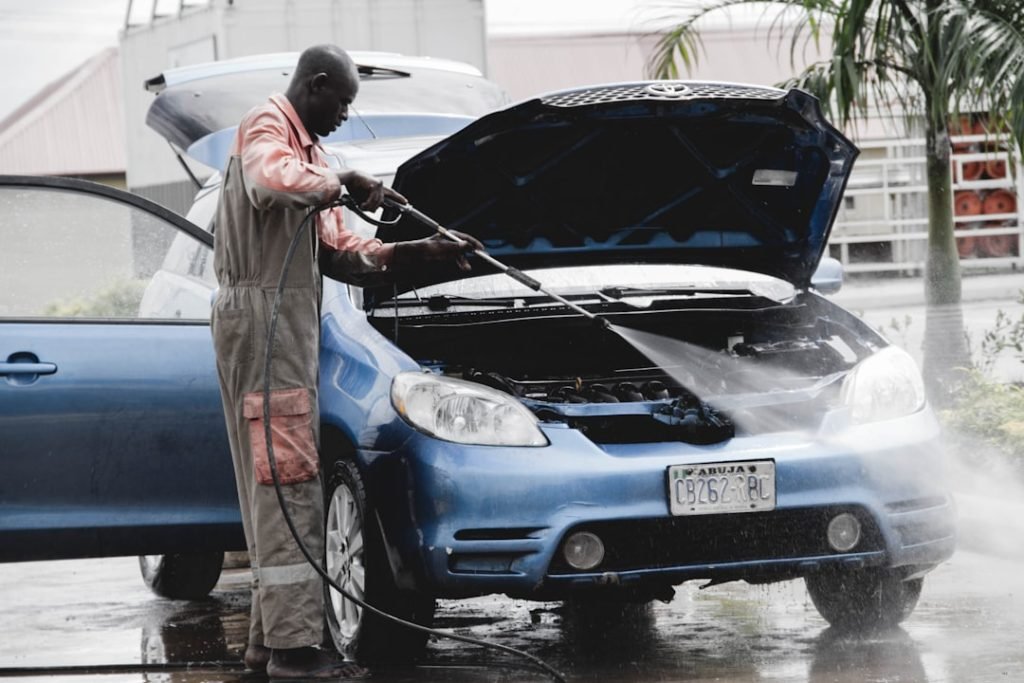
- Keep Your Car Clean: A clean car is not only aesthetically pleasing, but it can also help prevent damage to your vehicle’s paint and interior. Regularly wash and wax your car, and vacuum the interior to keep it looking its best.
- Regular oil changes and tire rotations are essential for extending the life of your engine and tires.
- Brake pad replacements and battery maintenance are critical for safety and performance.
- Using the right type of fuel and monitoring your vehicle’s fluids can improve its performance and overall health.
- Inspecting your belts and hoses, and keeping your car clean, can help prevent damage and costly repairs.
By staying on top of these essential maintenance tasks, you can prevent more significant problems from arising and ensure your car remains in top condition. Remember to always consult your owner’s manual for specific recommendations on maintenance schedules and procedures.
Advanced Car Maintenance Tips
Once you’ve got the basics covered, it’s time to take your car maintenance to the next level. Here are some advanced tips to help you get the most out of your vehicle:
By following these advanced car maintenance tips, you can take your car care to the next level and ensure your vehicle remains in top condition for years to come.
Conclusion and Key Takeaways
In conclusion, car maintenance is an essential part of owning a vehicle. By understanding the basics, performing essential maintenance tasks, and following advanced tips, you can extend the life of your car, improve its performance, and prevent costly repairs. Remember to always consult your owner’s manual for specific recommendations on maintenance schedules and procedures, and keep track of your car’s maintenance history to stay on top of its needs.
Key takeaways from this guide include:
By following these car maintenance tips, you can drive away with confidence and peace of mind, knowing your vehicle is in top condition and ready for whatever the road ahead may bring. So, take the first step today, and start revving up your ride with these expert car maintenance tips.

