
Rev Up Your Ride: Expert Car Maintenance Tips to Save You Time and Money
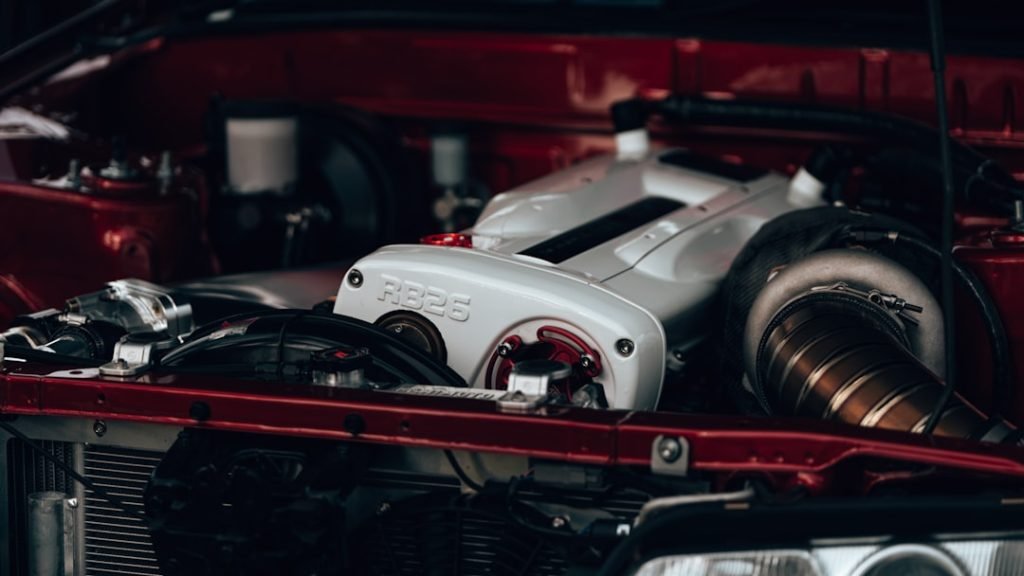
As a car owner, you know that regular maintenance is essential to keep your vehicle running smoothly, efficiently, and safely. But with so many different components to consider, it can be overwhelming to know where to start. Whether you’re a seasoned driver or a new car owner, neglecting car maintenance can lead to costly repairs, decreased fuel efficiency, and even accidents. In this comprehensive guide, we’ll take you through the most important car maintenance tips to help you stay on top of your vehicle’s health, save money, and ensure your safety on the road.
Understanding the Importance of Regular Car Maintenance
Regular car maintenance is not just about keeping your vehicle in good condition; it’s also about ensuring your safety and the safety of others on the road. A well-maintained car is less likely to break down, reducing the risk of accidents and stranded situations. Moreover, regular maintenance can help you avoid costly repairs down the line by identifying potential issues before they become major problems. Some of the key benefits of regular car maintenance include improved fuel efficiency, increased vehicle lifespan, and enhanced performance. By prioritizing car maintenance, you can enjoy a smoother, more comfortable driving experience while also saving money on fuel, repairs, and replacement parts.
Essential Car Maintenance Tasks
To keep your car in top condition, there are several essential maintenance tasks to perform on a regular basis. These include:
- Oil Changes: Regular oil changes are crucial to keep your engine lubricated and running smoothly. Most car manufacturers recommend changing the oil every 5,000 to 7,500 miles, depending on the type of oil used and driving conditions.
- Tire Pressure and Rotation: Proper tire pressure can improve fuel efficiency, handling, and safety. Check your tire pressure at least once a month, and before long trips. Rotate your tires every 6,000 to 8,000 miles to ensure even wear and extend their lifespan.
- Brake Pad Replacement: Worn-out brake pads can lead to reduced stopping power, increased risk of accidents, and costly repairs. Inspect your brake pads every 10,000 to 15,000 miles, and replace them as needed.
- Battery Maintenance: A dead battery can leave you stranded, so it’s essential to check your battery regularly. Look for signs of wear, such as corrosion, and have your battery tested every 3 to 5 years.
- Air Filter Replacement: A dirty air filter can decrease fuel efficiency, performance, and engine lifespan. Replace your air filter every 15,000 to 30,000 miles, depending on driving conditions.
- Using Synthetic Oil: Synthetic oil provides superior lubrication, wear protection, and fuel efficiency compared to conventional oil. While it’s more expensive, synthetic oil can extend the life of your engine and other components.
- Wheel Alignment: Proper wheel alignment can improve handling, reduce tire wear, and enhance fuel efficiency. Have your wheels aligned every 12,000 to 15,000 miles, or as recommended by your car manufacturer.
- Suspension and Steering System Maintenance: A well-maintained suspension and steering system can improve handling, stability, and safety. Inspect your suspension and steering components regularly, and replace worn-out parts as needed.
- Exhaust System Maintenance: A clogged or damaged exhaust system can decrease performance, fuel efficiency, and safety. Inspect your exhaust system regularly, and replace any damaged or corroded components.
- DIY Maintenance: Perform simple maintenance tasks, such as oil changes, tire pressure checks, and air filter replacements, yourself to save money on labor costs.
- Use Aftermarket Parts: Aftermarket parts can be a cost-effective alternative to OEM parts, without compromising on quality.
- Shop Around for Services: Compare prices and services from different mechanics and repair shops to find the best deal.
- Take Advantage of Free Services: Many car manufacturers and dealerships offer free services, such as oil changes, tire rotations, and inspections, as part of their maintenance packages.
- Regular car maintenance can improve fuel efficiency, performance, and safety
- Essential maintenance tasks include oil changes, tire pressure and rotation, brake pad replacement, battery maintenance, and air filter replacement
- Advanced car maintenance techniques include using synthetic oil, wheel alignment, suspension and steering system maintenance, and exhaust system maintenance
- Car maintenance on a budget can be achieved through DIY maintenance, using aftermarket parts, shopping around for services, and taking advantage of free services.
Advanced Car Maintenance Techniques
In addition to the essential maintenance tasks, there are several advanced techniques to help you take your car maintenance to the next level. These include:
Car Maintenance on a Budget
While car maintenance can seem expensive, there are several ways to save money without compromising on quality. Some tips for car maintenance on a budget include:
In conclusion, car maintenance is a crucial aspect of car ownership that can save you time, money, and stress in the long run. By following the essential and advanced car maintenance tips outlined in this guide, you can ensure your vehicle runs smoothly, efficiently, and safely. Remember to prioritize regular maintenance, use quality products, and take advantage of budget-friendly options to keep your car in top condition. Whether you’re a seasoned driver or a new car owner, by following these car maintenance tips, you’ll be well on your way to a safer, more enjoyable driving experience. Key takeaways include:

