
Rev Up Your Ride: Essential Car Maintenance Tips to Keep You on the Road
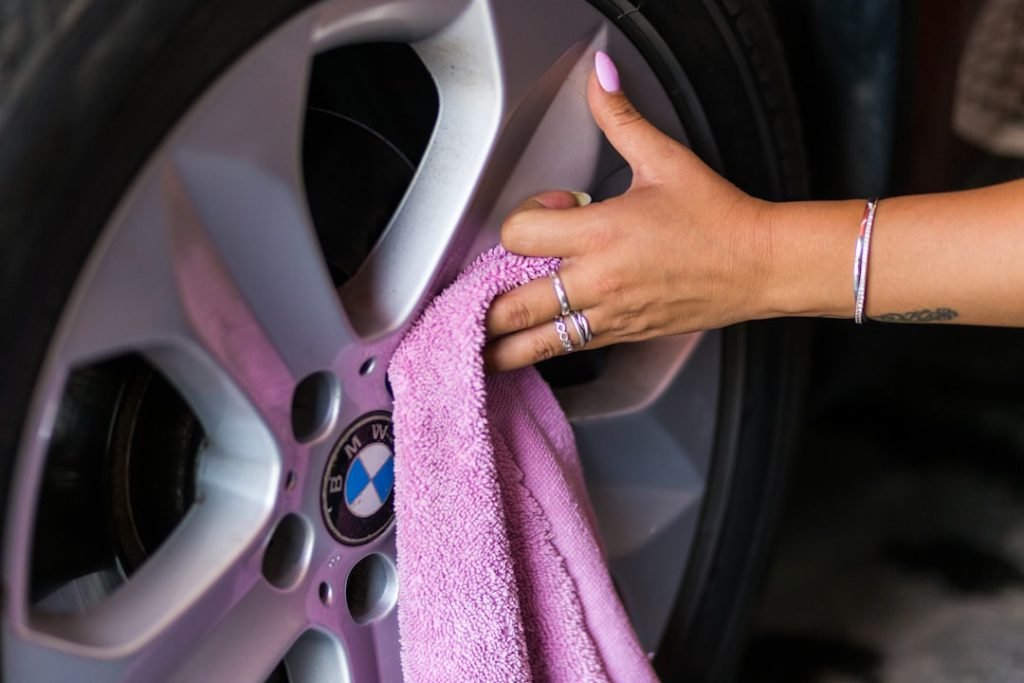
As a car owner, there’s nothing quite like the feeling of getting behind the wheel and hitting the open road. But, let’s face it, owning a vehicle can be a daunting task, especially when it comes to maintaining it. With so many moving parts and complex systems, it’s easy to get overwhelmed and neglect the upkeep of your trusty ride. However, neglecting car maintenance can lead to costly repairs, decreased fuel efficiency, and even safety hazards. In this comprehensive guide, we’ll dive into the world of car maintenance, exploring the essential tips and tricks to keep your vehicle running smoothly, efficiently, and safely.
Understanding the Importance of Regular Maintenance
Regular car maintenance is crucial for extending the lifespan of your vehicle, improving its performance, and preventing breakdowns. By staying on top of routine checks and repairs, you can avoid costly surprises down the road. But, what exactly does regular maintenance entail? It’s not just about oil changes and tire rotations; it’s about being proactive and addressing potential issues before they become major problems. Some key areas to focus on include:
- Oil changes: Regular oil changes are vital for lubricating your engine, reducing friction, and preventing overheating. Most manufacturers recommend changing your oil every 5,000 to 7,500 miles.
- Tire pressure and rotation: Proper tire pressure can improve fuel efficiency, handling, and safety. Check your tire pressure at least once a month, and rotate your tires every 6,000 to 8,000 miles.
- Brake pads and rotors: Worn-out brake pads and rotors can lead to decreased stopping power and increased risk of accidents. Inspect your brakes every 10,000 to 15,000 miles, and replace them as needed.
- Air filter replacement: A dirty air filter can decrease fuel efficiency, performance, and overall engine health. Replace your air filter every 15,000 to 30,000 miles, or as recommended by your manufacturer.
- Battery maintenance: Keep your battery terminals clean, and check your battery water levels regularly. Avoid overcharging, and consider investing in a battery maintainer.
- Wiper blade replacement: Good visibility is essential for safe driving. Replace your wiper blades every 6 to 12 months, or when they show signs of wear.
- Engine light diagnostics: If your check engine light comes on, it’s essential to address the issue promptly. A professional mechanic can help you identify the problem and recommend necessary repairs.
- Transmission issues: Transmission problems can be complex and costly to repair. If you notice strange noises, slipping, or hesitation, consult a mechanic for proper diagnosis and repair.
- Suspension and alignment: If your vehicle is pulling to one side, or you notice uneven tire wear, it may be a sign of suspension or alignment issues. A professional mechanic can assess and adjust your suspension and alignment to ensure optimal performance and safety.
- Maintenance apps: Apps like FuelEconomy, Car Care, and Roadside America can help you track your maintenance history, receive reminders, and access repair estimates.
- Owner’s manual: Your owner’s manual is a valuable resource for maintenance schedules, procedures, and recommendations. Keep it handy, and refer to it regularly.
- Service records: Keep a record of your service history, including receipts, invoices, and inspection reports. This can help you stay organized and provide valuable information when selling your vehicle.
- Regular maintenance is crucial for extending the lifespan of your vehicle and preventing breakdowns.
- DIY maintenance can save you time and money, but know your limits and seek professional help when needed.
- Keep track of your maintenance history, and stay organized with apps, logs, and records.
- Don’t neglect advanced maintenance tasks, such as engine light diagnostics, transmission issues, and suspension and alignment checks.
DIY Car Maintenance: Tips and Tricks
While some car maintenance tasks require professional expertise, there are many DIY-friendly jobs that can save you time and money. With a few basic tools and some know-how, you can tackle tasks like:
Some other DIY car maintenance tasks include checking and topping off fluids, such as engine oil, coolant, and transmission fluid. Always refer to your owner’s manual for specific guidance on maintenance schedules and procedures.
Advanced Car Maintenance: When to Seek Professional Help
While DIY maintenance is great for minor tasks, some jobs require specialized tools, expertise, and equipment. If you’re not comfortable with complex repairs or diagnostics, it’s best to seek professional help. Some situations where you should consult a mechanic include:
Staying Organized: Car Maintenance Schedules and Record-Keeping
To stay on top of car maintenance, it’s essential to keep track of your vehicle’s history, including oil changes, tire rotations, and repairs. Consider using a maintenance log or app to record your activities and schedule upcoming tasks. Some popular options include:
In conclusion, car maintenance is a crucial aspect of vehicle ownership. By following these essential tips and tricks, you can extend the lifespan of your vehicle, improve its performance, and ensure your safety on the road. Remember to stay organized, keep track of your maintenance history, and seek professional help when needed. With a little proactive effort, you can rev up your ride and enjoy a smooth, worry-free driving experience. Key takeaways include:
By following these car maintenance tips, you’ll be well on your way to becoming a savvy vehicle owner, equipped with the knowledge and skills to keep your ride running smoothly for years to come.

