
Rev Up Your Ride: Essential Car Maintenance Tips to Keep You on the Road
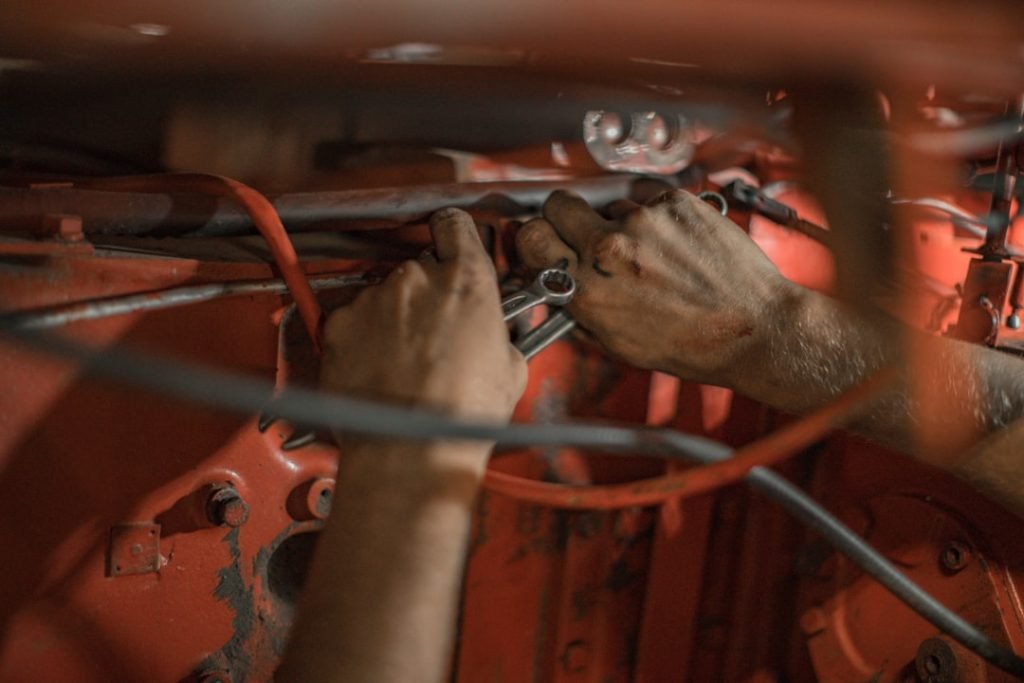
As a car owner, you know that regular maintenance is crucial to extend the life of your vehicle, prevent costly repairs, and ensure your safety on the road. But with so many tasks to keep track of, it’s easy to get overwhelmed and neglect some of the most important ones. Did you know that a well-maintained car can improve fuel efficiency by up to 10%, reduce emissions, and even boost its resale value? In this comprehensive guide, we’ll break down the essential car maintenance tips to keep your ride running smoothly, efficiently, and safely.
Understanding Your Car’s Needs: A Beginner’s Guide
Before we dive into the nitty-gritty of car maintenance, it’s essential to understand your vehicle’s unique needs. Every car is different, and what works for one make and model may not work for another. Start by consulting your owner’s manual, which provides valuable information on recommended maintenance schedules, fluid types, and other crucial details. You’ll also want to keep track of your car’s maintenance history, including oil changes, tire rotations, and any repairs or replacements. This will help you identify potential issues before they become major problems.
When it comes to car maintenance, it’s also important to know the difference between routine tasks and more complex repairs. Routine tasks, such as oil changes, tire pressure checks, and brake pad replacements, are relatively simple and can be done at home or by a mechanic. More complex repairs, such as engine overhauls or transmission replacements, require specialized knowledge and equipment. Don’t be afraid to seek help from a professional mechanic if you’re unsure about any aspect of car maintenance.
Essential Car Maintenance Tasks: A Step-by-Step Guide
Now that you understand your car’s needs, it’s time to get hands-on with some essential maintenance tasks. Here are some of the most critical ones to keep in mind:
- Oil Changes: Regular oil changes are the lifeblood of your car’s engine. Most manufacturers recommend changing your oil every 5,000 to 7,500 miles, depending on the type of oil used and driving conditions. Use a high-quality oil filter and the recommended type of oil for your vehicle.
- Tire Pressure and Rotation: Proper tire pressure can improve fuel efficiency, handling, and safety. Check your tire pressure at least once a month, and before long trips. Rotate your tires every 6,000 to 8,000 miles to ensure even wear and extend their lifespan.
- Brake Pads and Rotors: Worn-out brake pads and rotors can lead to reduced stopping power and increased risk of accidents. Inspect your brake pads every 10,000 to 15,000 miles, and replace them when necessary. Resurface or replace your rotors if they show signs of excessive wear.
- Battery Maintenance: A dead battery can leave you stranded, especially in extreme temperatures. Check your battery terminals for corrosion, and clean them if necessary. Make sure the battery is properly secured, and the electrolyte levels are at the recommended level.
- Fluid Checks: In addition to oil, your car relies on other essential fluids, such as coolant, transmission fluid, and brake fluid. Check these fluids regularly, and top them off as needed.
- Air Filter Maintenance: A dirty air filter can reduce fuel efficiency, performance, and overall engine health. Replace your air filter every 15,000 to 30,000 miles, depending on driving conditions.
- Spark Plug Replacement: Spark plugs play a critical role in your car’s ignition system. Replace them every 30,000 to 100,000 miles, depending on the type of spark plug and your vehicle’s make and model.
- Belts and Hoses: Your car’s serpentine belt and other hoses are prone to wear and tear. Inspect them regularly, and replace them if you notice any signs of cracking, fraying, or damage.
- Create a Maintenance Schedule: Set reminders for upcoming maintenance tasks, such as oil changes, tire rotations, and brake pad replacements.
- Keep a Maintenance Log: Record your car’s maintenance history, including dates, tasks, and parts replaced. This will help you track your progress and identify potential issues.
- Find a Trusted Mechanic: Build a relationship with a reputable mechanic who can help you with complex repairs and provide valuable advice on car maintenance.
- Take Advantage of Mobile Services: Many mechanics offer mobile services, such as oil changes and tire rotations, that can be done at your home or office.
- Regular maintenance can improve fuel efficiency, reduce emissions, and boost resale value
- Understanding your car’s unique needs and maintenance history is crucial
- Essential maintenance tasks include oil changes, tire pressure checks, brake pad replacements, and battery maintenance
- Advanced maintenance tips include fluid checks, air filter maintenance, spark plug replacement, and belt and hose inspections
- Staying on top of car maintenance requires creating a schedule, keeping a maintenance log, finding a trusted mechanic, and taking advantage of mobile services.
Advanced Car Maintenance Tips: Taking Your Maintenance to the Next Level
Once you’ve mastered the basics, it’s time to take your car maintenance to the next level. Here are some advanced tips to help you get the most out of your vehicle:
Staying on Top of Car Maintenance: Tips for Busy Owners
We know that life can get busy, and it’s easy to neglect car maintenance tasks. Here are some tips to help you stay on top of your car’s needs, even when you’re short on time:
In conclusion, car maintenance is an essential aspect of car ownership that can help you save money, reduce stress, and stay safe on the road. By following the tips outlined in this guide, you’ll be well on your way to becoming a car maintenance pro. Remember to stay on top of routine tasks, such as oil changes and tire pressure checks, and don’t hesitate to seek help from a professional mechanic when needed. With a little knowledge and effort, you can keep your car running smoothly, efficiently, and safely for years to come. Key takeaways include:

