
Rev Up Your Ride: Expert Car Maintenance Tips to Keep You on the Road
As a car owner, you know that regular maintenance is key to extending the life of your vehicle and preventing costly repairs down the line. But with so many different components to keep track of, it can be overwhelming to know where to start. That’s why we’ve put together this comprehensive guide to car maintenance, covering everything from the basics to advanced tips and tricks. Whether you’re a seasoned mechanic or a novice driver, you’ll find valuable insights and actionable advice to help you keep your ride running smoothly.
Understanding the Importance of Regular Maintenance
Before we dive into the nitty-gritty of car maintenance, it’s essential to understand why it’s so crucial in the first place. Regular maintenance can help prevent a range of problems, from minor issues like worn-out brake pads to major catastrophes like engine failure. By staying on top of your car’s maintenance needs, you can:
- Improve fuel efficiency and reduce emissions
- Enhance safety features and prevent accidents
- Increase the overall value and longevity of your vehicle
- Avoid costly repairs and minimize downtime
- Oil Changes: Regular oil changes are vital for keeping your engine lubricated and running smoothly. Most car manufacturers recommend changing your oil every 5,000 to 7,500 miles, but be sure to check your owner’s manual for specific guidelines.
- Tire Maintenance: Proper tire inflation, rotation, and balancing can help improve fuel efficiency, handling, and safety. Check your tire pressure at least once a month, and consider investing in a tire pressure monitoring system for added convenience.
- Brake Pad Replacements: Worn-out brake pads can be a serious safety hazard, so it’s essential to have them replaced regularly. Look for signs of wear, such as squealing or grinding noises, and have your brakes inspected by a professional mechanic if you’re unsure.
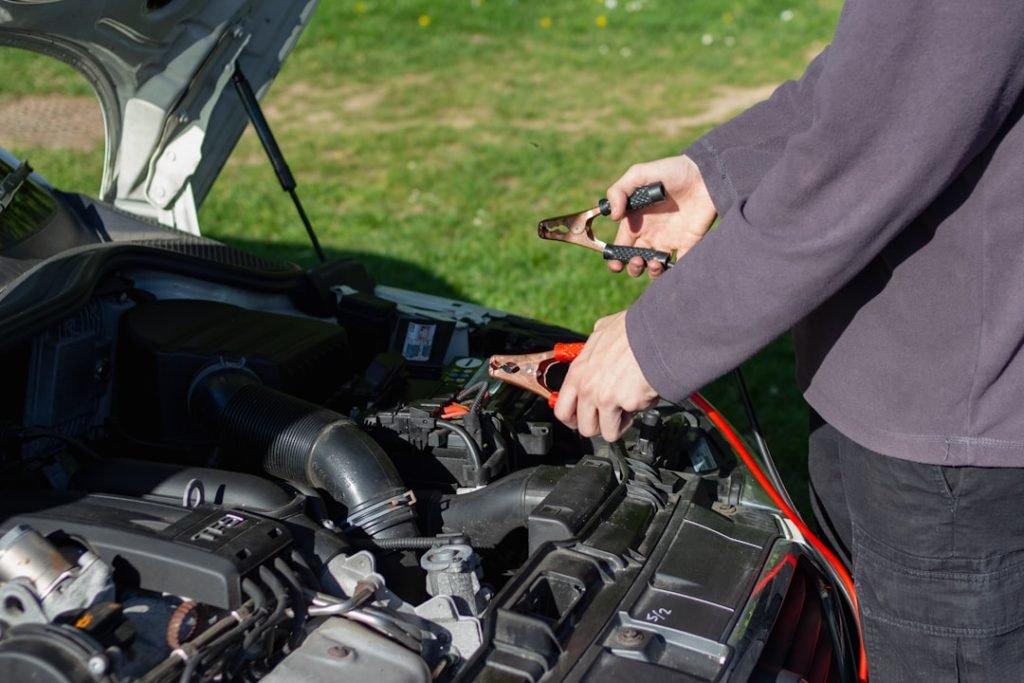
- Battery Maintenance: A dead battery can leave you stranded, so it’s crucial to keep yours in good condition. Check your battery terminals for corrosion, and consider having your battery tested every six months to ensure it’s holding a charge.
- Use the Right Fuel: Using the right type of fuel for your vehicle can help improve performance, fuel efficiency, and overall engine health. Check your owner’s manual to see what type of fuel is recommended for your car.
- Keep Your Car Clean: A clean car is not only more visually appealing, but it can also help prevent damage to your vehicle’s exterior and interior. Regular washing and waxing can help protect your car’s paint and clear coat, while vacuuming and cleaning the interior can help prevent wear and tear on your seats and carpets.
- Monitor Your Car’s Systems: Modern cars are equipped with a range of advanced systems, from traction control to lane departure warning. Familiarize yourself with these systems and monitor them regularly to ensure they’re functioning properly.
- Keep a Maintenance Log: Keeping a record of your car’s maintenance history can help you stay on top of scheduled tasks and provide valuable insights into your vehicle’s overall health. Consider using a maintenance log or app to track your car’s maintenance history and receive reminders and notifications when tasks are due.
- DIY Maintenance: Consider taking on simple maintenance tasks yourself, such as oil changes and tire rotations. Not only can this save you money, but it can also help you develop a deeper understanding of your car’s mechanics.
- Shop Around for Parts: If you do need to replace parts, be sure to shop around for the best prices. Online retailers and auto parts stores often offer significant discounts and promotions, so it’s worth doing your research before making a purchase.
- Take Advantage of Free Services: Many car dealerships and service centers offer free services, such as tire pressure checks and oil change inspections. Take advantage of these services to stay on top of your car’s maintenance needs without breaking the bank.
- Consider Used or Refurbished Parts: If you’re looking to replace a major component, such as a engine or transmission, consider opting for used or refurbished parts. These can often be significantly cheaper than brand-new parts, and can still provide reliable performance and longevity.
Some of the most critical maintenance tasks include oil changes, tire rotations, and brake pad replacements. These tasks may seem simple, but they can have a significant impact on your car’s performance and overall health. For example, failing to change your oil regularly can lead to engine damage, while neglecting to rotate your tires can result in uneven wear and reduced traction.
Essential Car Maintenance Tasks
So, what are the most essential car maintenance tasks you should be prioritizing? Here are a few key areas to focus on:
Advanced Car Maintenance Tips and Tricks
Once you’ve got the basics covered, it’s time to take your car maintenance game to the next level. Here are a few advanced tips and tricks to help you get the most out of your vehicle:
Car Maintenance on a Budget
One of the biggest misconceptions about car maintenance is that it has to be expensive. While it’s true that some repairs and replacements can be costly, there are plenty of ways to maintain your car on a budget. Here are a few tips to help you save money:
In conclusion, car maintenance is a critical aspect of car ownership that can help extend the life of your vehicle, improve safety, and save you money in the long run. By following the tips and tricks outlined in this guide, you can stay on top of your car’s maintenance needs and keep your ride running smoothly for years to come. Remember to prioritize regular maintenance tasks, such as oil changes and tire rotations, and consider taking on DIY projects to save money and develop a deeper understanding of your car’s mechanics. With the right knowledge and skills, you can become a car maintenance expert and enjoy a safer, more reliable, and more enjoyable driving experience.

