
Rev Up Your Ride: Essential Car Maintenance Tips to Keep You on the Road
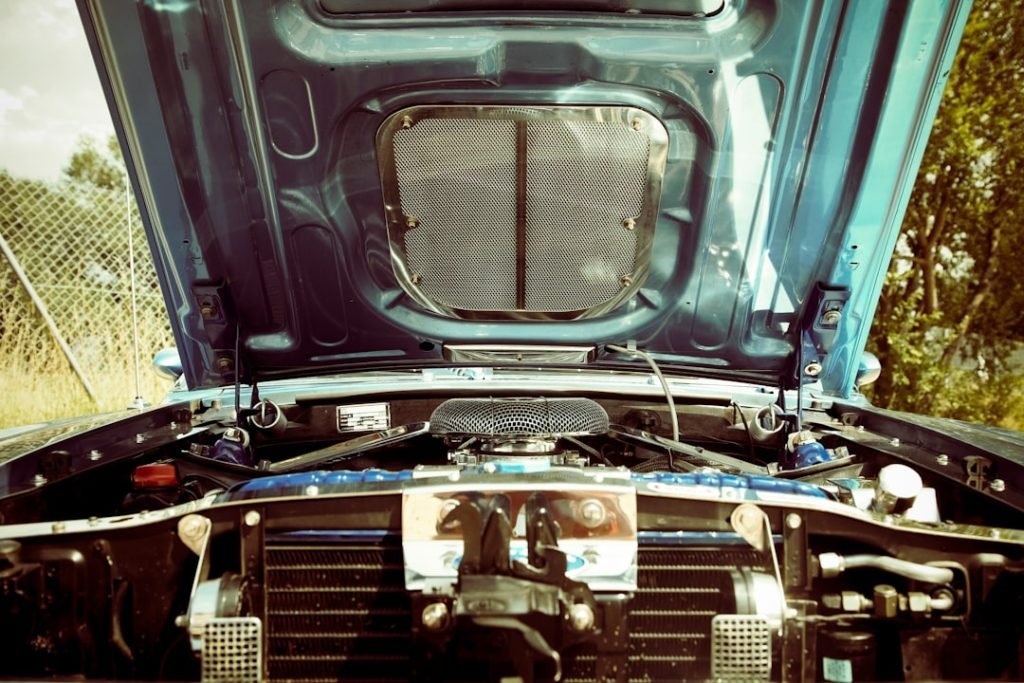
As a car owner, there’s nothing quite like the feeling of hitting the open road, wind in your hair, and the rumble of the engine beneath you. But, let’s face it, owning a car can be a daunting task, especially when it comes to maintenance. With so many moving parts and complex systems, it’s easy to get overwhelmed and neglect the very things that keep your vehicle running smoothly. But, neglecting car maintenance can lead to costly repairs, decreased fuel efficiency, and even safety hazards. In this comprehensive guide, we’ll dive into the essential car maintenance tips to keep your ride in top condition, so you can focus on the joy of driving, not the worry of what might go wrong.
Understanding Your Vehicle: The Basics of Car Maintenance
Before we dive into the nitty-gritty of car maintenance, it’s essential to understand the basics. Your vehicle’s owner’s manual is the best place to start, as it provides specific guidance on maintenance schedules, recommended fluids, and troubleshooting tips. Familiarize yourself with the manual, and take note of the following key areas:
- Oil changes: Regular oil changes are crucial to extending the life of your engine. Most vehicles require oil changes every 5,000 to 7,500 miles, but consult your manual for specific recommendations.
- Tire pressure: Proper tire pressure can improve fuel efficiency, handling, and safety. Check your tire pressure at least once a month, and before long trips.
- Fluid checks: Regularly check your vehicle’s fluids, including engine oil, transmission fluid, coolant, and brake fluid. Low fluid levels can cause serious damage to your vehicle.
- Brake pad replacement: Worn-out brake pads can lead to decreased stopping power and increased risk of accidents. Replace your brake pads every 30,000 to 50,000 miles, or as recommended by your manual.
- Air filter replacement: A dirty air filter can decrease fuel efficiency and performance. Replace your air filter every 15,000 to 30,000 miles, or as recommended by your manual.
- Belt replacements: Serpentine belts, timing belts, and drive belts should be replaced at the recommended intervals to prevent engine damage and breakdowns.
- Battery maintenance: Keep your battery terminals clean, and have your battery tested every 3 to 5 years to ensure it’s holding a charge.
- Spark plug replacement: Spark plugs should be replaced every 30,000 to 100,000 miles, depending on your vehicle. Worn-out spark plugs can decrease fuel efficiency and performance.
- Fuel injector cleaning: Dirty fuel injectors can decrease fuel efficiency and performance. Consider having your fuel injectors cleaned every 15,000 to 30,000 miles.
- Suspension and steering system checks: Regularly inspect your vehicle’s suspension and steering system for worn-out parts, loose belts, and damaged components.
- Overheating engine: If your engine is overheating, check your coolant levels, radiator, and hoses for leaks or damage. Consider having your cooling system flushed and refilled with the recommended coolant.
- Decreased fuel efficiency: If you’ve noticed a decrease in fuel efficiency, check your tire pressure, air filter, and fuel injectors for any issues.
- Unusual noises: If you’ve noticed unusual noises, such as grinding, squealing, or clunking, have your vehicle inspected by a professional mechanic to diagnose the issue.
- Regular oil changes and fluid checks are crucial to extending the life of your engine
- Proper tire pressure can improve fuel efficiency, handling, and safety
- Regular maintenance tasks, such as brake pad replacement and air filter replacement, can prevent costly repairs
- Advanced maintenance tasks, such as spark plug replacement and fuel injector cleaning, can improve performance and fuel efficiency
- Troubleshooting common issues, such as overheating engines and decreased fuel efficiency, can save you time and money
Regular Maintenance: Staying on Top of Repairs
Regular maintenance is the key to preventing costly repairs and ensuring your vehicle runs smoothly. Here are some essential tasks to add to your maintenance schedule:
Advanced Maintenance: Taking Your Car to the Next Level
For the more experienced car owner, advanced maintenance tasks can help take your vehicle to the next level. Here are some tips to consider:
Troubleshooting Common Issues: Saving You Time and Money
Despite regular maintenance, issues can still arise. Here are some common problems and troubleshooting tips to save you time and money:
In conclusion, car maintenance is an essential part of owning a vehicle. By following these tips and staying on top of regular maintenance, you can extend the life of your vehicle, improve fuel efficiency, and ensure your safety on the road. Remember to always consult your owner’s manual for specific guidance, and don’t hesitate to seek the help of a professional mechanic if you’re unsure about any aspect of car maintenance. With these essential car maintenance tips, you’ll be well on your way to becoming a car care expert, and enjoying the freedom and joy of driving for years to come.
Key takeaways:
By following these car maintenance tips, you’ll be able to keep your vehicle in top condition, and enjoy the freedom and joy of driving, without the worry of what might go wrong.

